

.jpg)
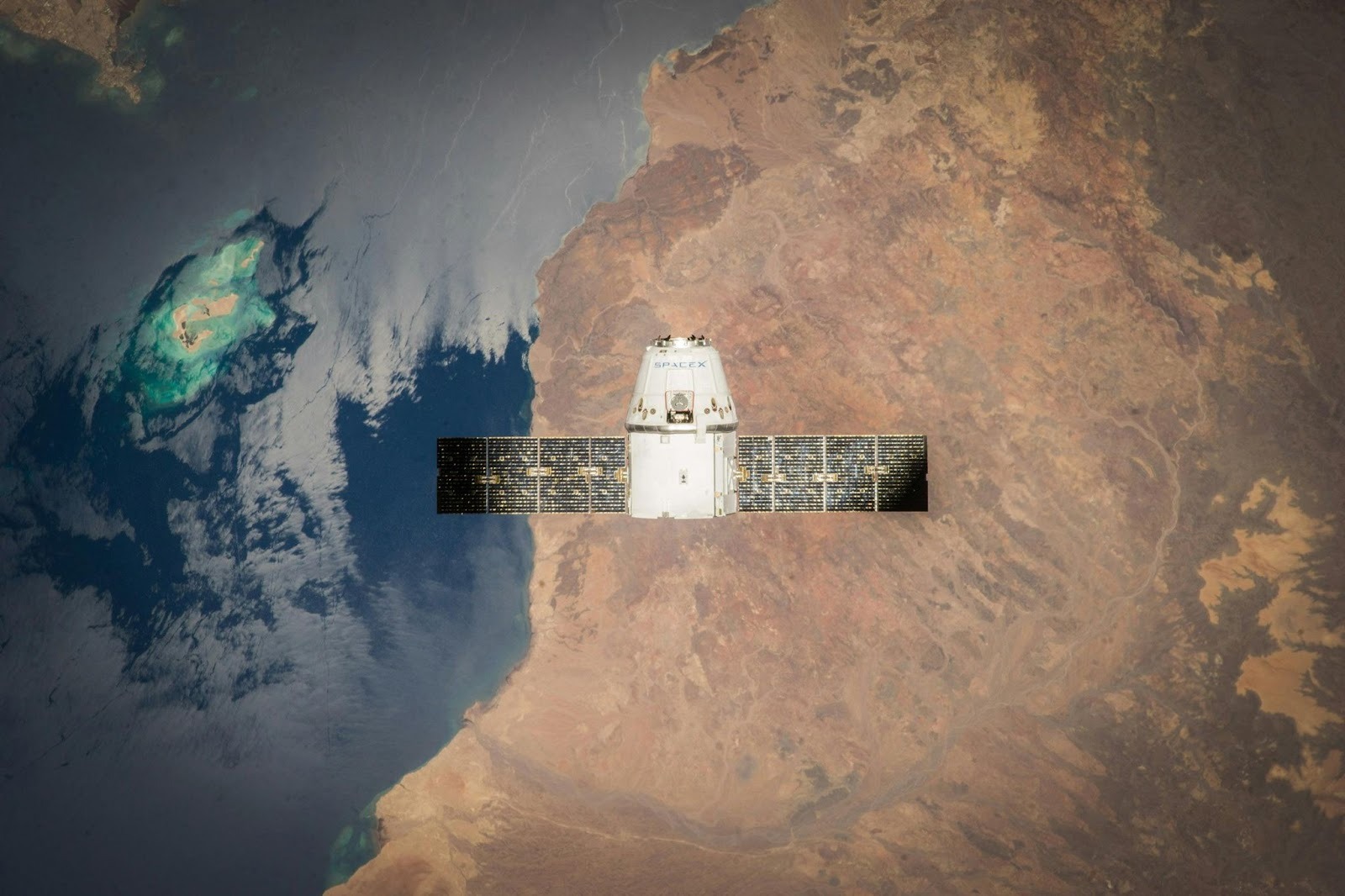
Satellites are some of the most valuable machines humans have ever built, yet we still operate them like disposable hardware. A single communication satellite in geostationary (GEO) orbit can cost hundreds of millions of dollars and generate revenue for decades. But once it runs out of fuel, it is abandoned. There is no way to refuel it, move it, inspect it, or to keep it alive. What’s missing is an operating layer in space: the ability to rendezvous, dock, refuel, reposition, inspect, or service an asset once it has been deployed. That absence of in-orbit servicing infrastructure is what turns billion-dollar satellites into single-use machines. Space has world-class launch infrastructure, but no maintenance infrastructure.
Aule Space is building what space has been missing.
Building the Maintenance Layer for Space
Aule is creating autonomous spacecraft that can fly up to other satellites, physically dock with them, and take over critical tasks like station-keeping, inspection, and servicing. This fundamentally changes satellites from fixed-lifetime machines into maintainable assets whose lifetime can be extended. Their first focus is on GEO communication satellites, generating the majority of the sector’s ~$120 billion in annual revenue. These satellites are typically retired not because they fail, but because they run out of propellant needed to hold their orbital position. Aule’s docking “jetpacks” can attach to these satellites and keep them operational, extending their life by up to six years and unlocking up to a billion dollars in additional revenue per satellite.
As Jay, Aule’s CEO, puts it:
“Imagine buying an expensive car and abandoning it when the fuel runs out. That is how satellites worth over $100 billion in total are operated in space today. We want to change that.”
What makes Aule especially compelling is its “non-cooperative docking” approach, i.e. systems that can attach to satellites that were never designed to be serviced. This is significantly harder to achieve, but exponentially more valuable, because it works with the existing satellite fleet already in orbit rather than requiring new hardware standards to be adopted.
A Hard Problem, Being Solved by the Right Team
Technically, this is a brutal problem. Autonomous rendezvous and docking in space demands extreme precision, real-time perception, and fault-tolerant control systems operating in microgravity, where spacecraft move at almost 3 km per second (~11,000 km/h) and must align to centimetre-level accuracy without human intervention. Only a handful of teams globally are even attempting this seriously.
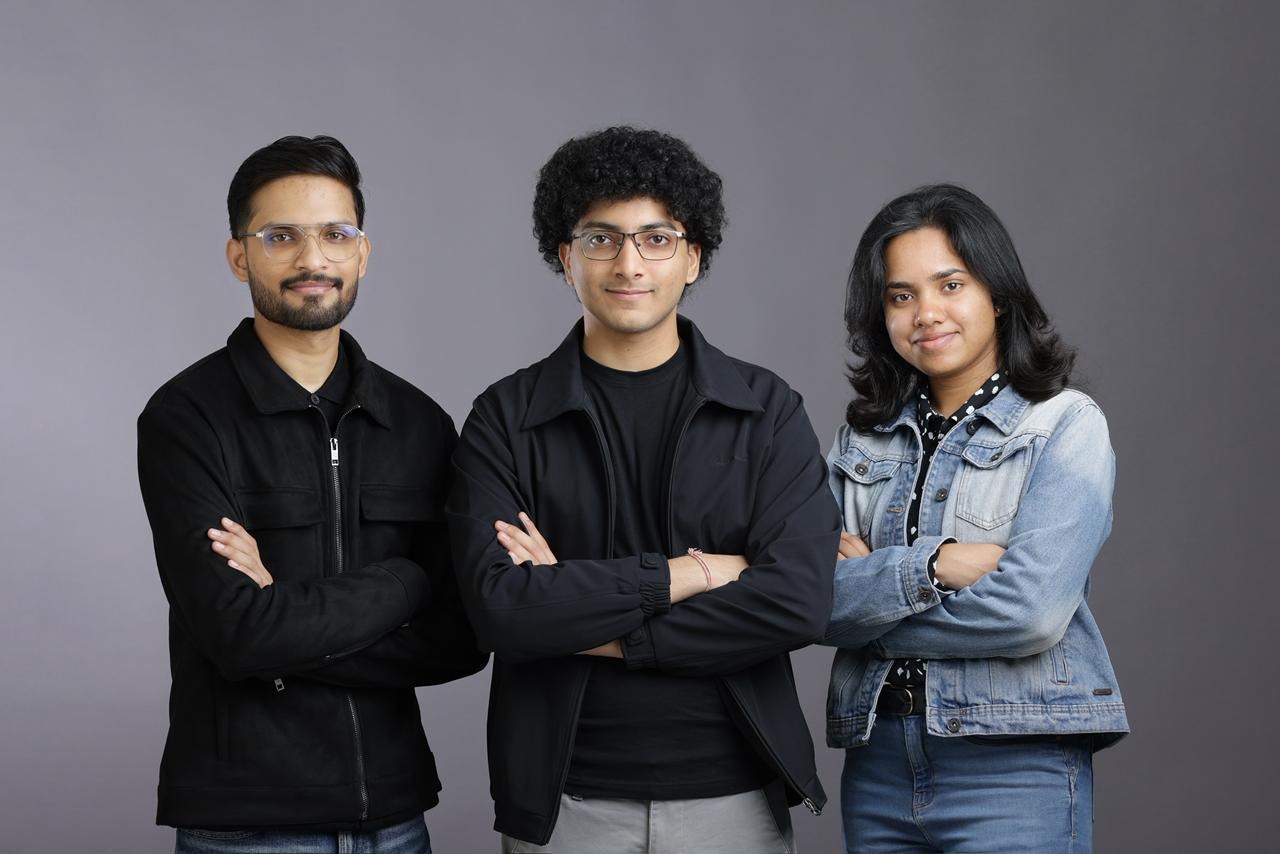
The Aule founding team is one of them. Jay, Nithyaa, and Hrishit bring together rare experience across spacecraft engineering, autonomous robotics, and machine learning, with backgrounds spanning Pixxel, Trify, MapmyIndia’s space programs, and work alongside ESA scientists. They are part of a new generation of engineers who have built real space systems and who know how to translate deep physics into working hardware.
Why Now
The timing could not be more important. Launch costs are falling, satellite fleets are expanding rapidly, and space is becoming more congested and strategically sensitive. Nations are demonstrating close-proximity operations and satellite capture in orbit. Commercial operators are deploying increasingly valuable assets that must be monitored, protected, and sustained.
In this environment, the ability to approach, inspect, and interact with satellites is no longer optional; it is foundational infrastructure for the orbital economy.
Beyond Life Extension: The Broader Vision
While life-extension jetpacks are the starting point, Aule’s RPOD capabilities unlock a much broader set of possibilities:
- Space Domain Awareness: Inspector satellites enable close-proximity monitoring and threat response, far beyond the limits of ground-based tracking, as space becomes more contested.
- In-Space Servicing, Assembly, and Manufacturing (ISAM): Once docking becomes routine, satellites can be refueled, repaired, and upgraded in orbit. Large structures like massive antennas, space stations, and autonomous factories can be assembled in space rather than launched in one piece.
- Active Debris Removal: Capturing and retiring defunct satellites reduces collision risk and ensures long-term orbital sustainability.
At pi Ventures, we invest in companies that build the core technologies of new industries. Aule is creating one of the most important building blocks of the future space economy: the ability to operate on and extend the life of assets in orbit.